[Get the best value uv lens filter on Amazon today!]
# UV Lens Filters: Do You Really Need One?
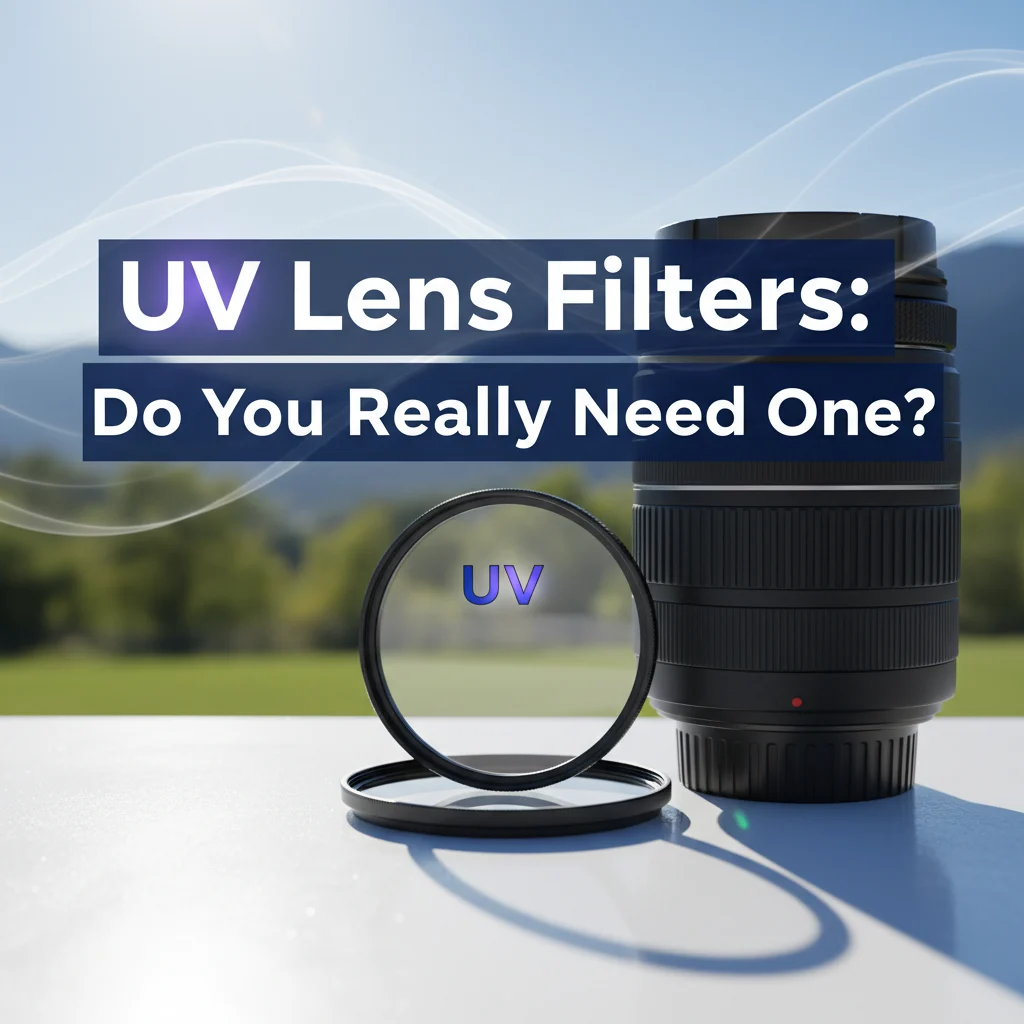
So, you’re thinking about buying a UV lens filter. Maybe you’ve heard they’re essential, or maybe you’re just trying to protect your valuable camera lens. But the big question is: do you *really* need one? The answer, like most things in photography, is a little more nuanced than a simple yes or no. In this article, we’ll dive deep into the world of **uv lens filters**, exploring what they do, what they don’t do, and whether they’re the right accessory for *your* photography needs. Let’s get started!
[Browse top-rated uv lens filter on Amazon]
## What Does a UV Lens Filter Actually Do?
Back in the film photography days, UV lens filters were considered essential. Film was sensitive to ultraviolet (UV) light, which could cause a bluish cast or haze in photos, especially at high altitudes or near large bodies of water. A **uv lens filter** blocked this UV light, resulting in clearer and more accurate colors.
However, modern digital camera sensors are much less susceptible to UV light. Most sensors have built-in UV filters, rendering external **uv lens filters** largely redundant for their original purpose. So, if blocking UV light isn’t the primary reason to use one anymore, why are they still so popular? The answer lies in their protective capabilities.
[Browse top-rated uv lens filter on Amazon]
## The Primary Benefit: Lens Protection
Today, the main reason photographers use **uv lens filters** is to protect their expensive lenses. Think of a **uv lens filter** as a screen protector for your smartphone. It’s a thin piece of glass (or sometimes plastic) that screws onto the front of your lens, acting as a barrier against scratches, dust, fingerprints, and even accidental impacts.
* **Scratch Prevention:** A scratch on the front element of your lens can significantly degrade image quality and reduce its resale value. A **uv lens filter** absorbs the brunt of potential scratches, keeping your lens pristine.
* **Dust and Debris:** Dust and debris are inevitable, especially when shooting outdoors. A **uv lens filter** prevents these particles from directly contacting your lens, reducing the need for frequent cleaning.
* **Accidental Impacts:** While a **uv lens filter** won’t protect against major impacts, it can absorb minor bumps and knocks that could otherwise damage the lens. Think of it as a cheap insurance policy for your expensive glass.
* **Water and Moisture:** A **uv lens filter** adds a layer of protection against water splashes and moisture, which can damage the lens coating or even seep inside the lens.
[Browse top-rated uv lens filter on Amazon]
## The Potential Drawbacks of Using a UV Lens Filter
While **uv lens filters** offer protection, they’re not without potential drawbacks. It’s important to weigh these cons against the pros before deciding whether to use one.
* **Image Quality Degradation:** The most common concern is that adding an extra layer of glass in front of your lens can degrade image quality. Cheap **uv lens filters** can introduce unwanted reflections, ghosting, and reduced sharpness. However, high-quality **uv lens filters** are designed to minimize these effects.
* **Flare:** In certain situations, a **uv lens filter** can increase flare, especially when shooting directly into bright light sources. Flare appears as unwanted streaks or circles of light in your image.
* **Cost:** While **uv lens filters** are relatively inexpensive, the cost can add up if you have multiple lenses. You’ll need a **uv lens filter** for each lens diameter you own.
* **Another Thing to Clean:** Adding a filter means adding another surface that needs cleaning. If you’re not careful, you could end up smearing the filter and degrading your image.
[Browse top-rated uv lens filter on Amazon]
## Choosing the Right UV Lens Filter
If you decide that a **uv lens filter** is right for you, it’s crucial to choose a high-quality one. A cheap **uv lens filter** can do more harm than good, negating its protective benefits with poor image quality. Here’s what to look for:
* **Glass Quality:** Look for **uv lens filters** made from high-quality optical glass, such as Schott glass from Germany or Hoya glass from Japan. These glasses are known for their clarity and low distortion.
* **Coating:** Multicoated **uv lens filters** are essential. Coatings reduce reflections and flare, improving image quality and contrast. Look for **uv lens filters** with multiple layers of coating on both sides.
* **Frame Material:** The frame should be made from durable material, such as aluminum or brass. Avoid plastic frames, as they can be easily damaged.
* **Thread Accuracy:** Ensure the threads are precisely machined to ensure a smooth and secure fit on your lens.
* **Brand Reputation:** Stick to reputable brands known for producing high-quality filters, such as B+W, Hoya, Tiffen, and Breakthrough Photography.
Here are a few recommended **uv lens filters** available on Amazon:
1. **B+W 010 UV Haze MRC Nano Filter:** This is a top-of-the-line **uv lens filter** known for its exceptional optical quality and durable construction. The MRC (Multi-Resistant Coating) Nano coating repels water, oil, and dirt, making it easy to clean.
* **Best For:** Professional photographers and serious enthusiasts who demand the highest image quality.
* **Key Features:** Schott glass, MRC Nano coating, brass frame, excellent sharpness.
* **Why We Like It:** B+W filters are renowned for their quality. This filter provides excellent protection without compromising image quality.
[Amazon Affiliate Link to B+W 010 UV Haze MRC Nano Filter]
2. **Hoya HMC UV(C) Filter:** A more affordable option that still offers excellent protection and image quality. The HMC (Hoya Multi Coating) reduces reflections and flare.
* **Best For:** Enthusiast photographers who want a good balance of protection and performance.
* **Key Features:** Hoya optical glass, HMC coating, aluminum frame, good value.
* **Why We Like It:** Hoya filters are a great compromise between price and performance. This **uv lens filter** offers good protection and minimal image degradation.
[Amazon Affiliate Link to Hoya HMC UV(C) Filter]
3. **Tiffen UV Protection Filter:** A budget-friendly option for basic lens protection. While not as optically refined as the B+W or Hoya filters, it still provides a decent level of protection against scratches and dust.
* **Best For:** Beginner photographers who want basic lens protection without breaking the bank.
* **Key Features:** Tiffen optical glass, basic coating, aluminum frame, affordable.
* **Why We Like It:** Tiffen filters are a solid choice for photographers on a tight budget. This **uv lens filter** provides essential protection without a huge investment.
[Amazon Affiliate Link to Tiffen UV Protection Filter]
[Browse top-rated uv lens filter on Amazon]
## Cleaning Your UV Lens Filter
Proper cleaning is essential to maintain the image quality of your **uv lens filter**. Here’s how to clean it safely:
1. **Remove Loose Dust:** Use a blower or a soft brush to remove any loose dust or debris from the filter surface.
2. **Apply Cleaning Solution:** Apply a small amount of lens cleaning solution to a microfiber cloth. Avoid spraying the solution directly onto the filter.
3. **Wipe Gently:** Gently wipe the filter surface in a circular motion, starting from the center and working your way outwards.
4. **Buff Dry:** Use a clean, dry microfiber cloth to buff the filter surface dry.
5. **Inspect:** Inspect the filter for any streaks or smudges. If necessary, repeat the process.
**Important:** Never use harsh chemicals or abrasive materials to clean your **uv lens filter**. These can damage the coating and scratch the glass.
[Browse top-rated uv lens filter on Amazon]
## Alternatives to UV Lens Filters for Protection
If you’re concerned about the potential image quality degradation of **uv lens filters**, there are alternative ways to protect your lens:
* **Lens Hood:** A lens hood blocks stray light from entering the lens, reducing flare and improving contrast. It also provides some physical protection against bumps and scratches.
* **Lens Cap:** Always use a lens cap when your lens is not in use. This provides excellent protection against dust, scratches, and impacts.
* **Careful Handling:** The best way to protect your lens is to handle it with care. Avoid dropping it, bumping it against hard surfaces, and exposing it to harsh environments.
[Browse top-rated uv lens filter on Amazon]
## Final Verdict: Do You Really Need a UV Lens Filter?
So, back to the original question: do you *really* need a **uv lens filter**?
* **If you’re primarily concerned about protecting your lens from scratches, dust, and minor impacts, then a high-quality uv lens filter can be a worthwhile investment.** It’s a relatively inexpensive way to safeguard your expensive glass.
* **If you’re a professional photographer or a serious enthusiast who prioritizes image quality above all else, you may want to skip the uv lens filter and rely on careful handling and other protective measures.** However, even professionals often use high-quality filters in challenging environments where the risk of damage is high.
Ultimately, the decision is a personal one. Weigh the pros and cons, consider your shooting style and environment, and choose the option that best suits your needs. Whether you choose to use a **uv lens filter** or not, remember that the most important thing is to enjoy the process of capturing beautiful images!
[Check the latest prices and deals for uv lens filter on Amazon today!]



![Timer Wall Switch: The Ultimate Buying Guide [2026]](https://www.bestlightweightcameras.com/wp-content/uploads/2026/03/timer-wall-switch-the-ultimate-buying-guide-2026-150x150.webp)